

Remanufactured Diesel Engine vs. Rebuilt vs. Used: 7 Questions to Ask Before You Buy
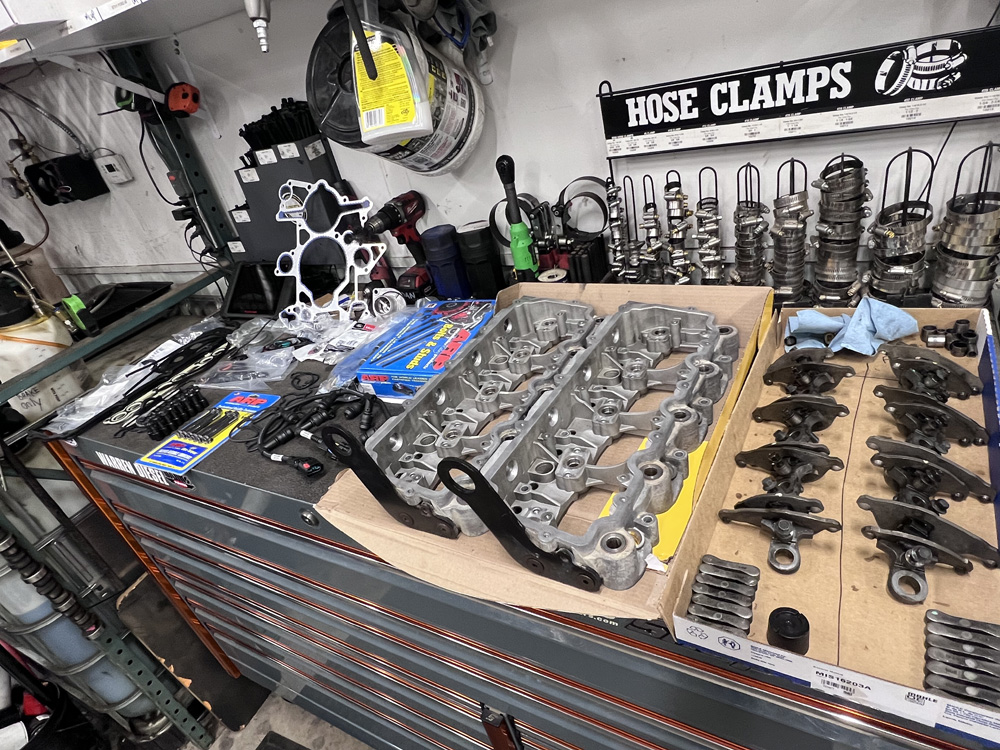
When a diesel engine is worn out, cracked or spun a bearing, the repair conversation usually comes down to three choices: rebuild what you have, buy a used engine, or install a remanufactured diesel engine. They can look similar on an invoice. They are not similar in what you are actually buying, how long it should last, or who stands behind it if something goes wrong.
This guide breaks down what each term really means, where the money goes, and the questions worth asking before you sign off on a five-figure engine job. It applies whether you drive a Ford Power Stroke, a Ram with a Cummins, or a Chevy or GMC with a Duramax.
Key takeaways
- “Rebuilt” and “remanufactured” are not marketing synonyms. Federal guidelines treat them as specific claims about the work performed.
- A remanufactured diesel engine is rebuilt to a factory-style standard in a production setting, with wear parts replaced and the finished unit tested.
- Used engines cost the least up front, but you are buying an unknown history with a short warranty, if any.
- Warranty terms, labor coverage and transferability often matter more than the sticker price.
What “rebuilt,” “remanufactured” and “used” actually mean
These words get tossed around loosely online, but the Federal Trade Commission has had guidance on the books for decades. Its Guides for the Rebuilt, Reconditioned and Other Used Automobile Parts Industry (16 CFR Part 20) say a part should only be called “rebuilt” if it has been dismantled and reconstructed, cleaned, had defective or missing parts restored or replaced, and been machined as needed to put it in sound working condition. The terms “remanufactured” or “factory rebuilt” are reserved for work done in a factory that is generally in the business of rebuilding that product.
In plain terms:
- Used engine: pulled from another vehicle, usually a wreck, and sold as-is or with a short warranty. It has not been opened up.
- Rebuilt engine: your engine, or a core, torn down and repaired. Quality depends heavily on the builder, the parts used and how much machine work was done. Some rebuilds replace only what is visibly broken.
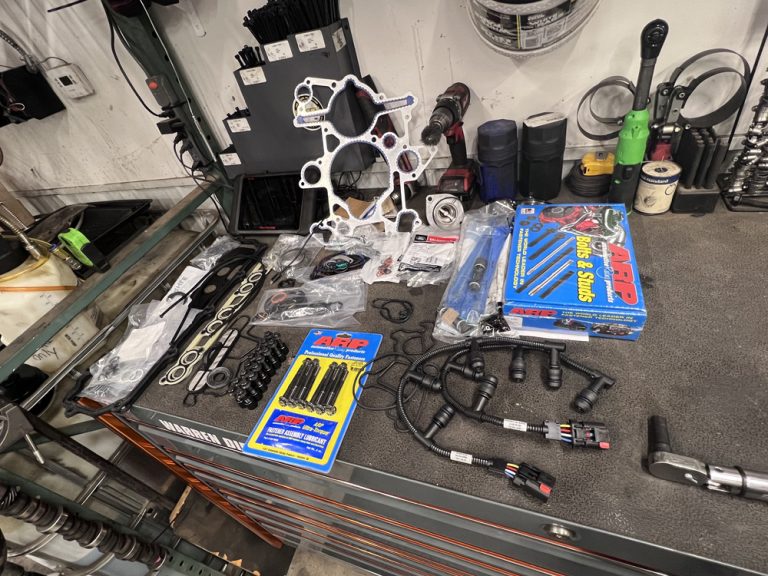
- Remanufactured engine: built in a production facility to a standard spec. Industry publication MOTOR describes remanufacturing as complete disassembly, inspection against original tolerances, replacement of wear items like bearings, seals and gaskets whether or not they look worn, precision machining and full testing.
Side by side: how the three options compare
| Used | Rebuilt | Remanufactured | |
|---|---|---|---|
| Upfront cost | Lowest | Middle, varies widely | Highest of the three |
| Known history | Usually unknown | Known if it is your engine | Built to a documented spec |
| Wear parts replaced | No | Depends on the builder | Yes, as a standard process |
| Machine work and updates | None | Varies | Standardized, often includes known updates |
| Testing before install | Rarely | Varies | Tested before it ships |
| Typical warranty | Short, often parts only | Set by the shop | Manufacturer-backed, often nationwide |
| Downtime | Short if one is available | Longest, your engine is in pieces | Short, the unit arrives ready |
The real cost of a used diesel engine
A used engine is tempting because the price gap can be large. The problem is what you cannot see. A salvage engine may come with a mileage claim and a compression test, but you rarely know how it was maintained, whether it was overheated before the wreck, or how long it sat with open ports collecting moisture.
Diesel-specific wear makes this riskier than it is on a small gas engine. Injector condition, head gasket and head stud health, and turbo wear all matter, and they are expensive to fix once the engine is already in your truck. Factor in that you pay installation labor either way. If a used engine fails in six months, you often pay that labor twice.
Used can still make sense on an older work truck with limited remaining value, or when a known low-mile engine is available from a trusted source. Just go in with your eyes open.
When rebuilding your own engine makes sense
Rebuilding keeps your original engine and can be a good fit when the damage is limited and the block and crank are in good shape, or when the engine is rare enough that replacement units are hard to find. The quality of the result depends on three things: the builder, the machine shop work, and the parts that go back in.
The tradeoff is time and uncertainty. Your engine has to come out, be torn down and inspected before anyone can give you a firm number, and hidden damage can change the plan halfway through. Ask whether the quote covers machine work, which parts are being replaced versus reused, and what the warranty covers.
Why a remanufactured diesel engine is often the best long-term value
A remanufactured diesel engine costs more up front, but you are paying for a known standard instead of a gamble. Production remanufacturers inspect cores against original specs, replace wear parts as a matter of process and test the finished engine before it leaves the plant. Many also build in fixes for known weak points on a given engine family.
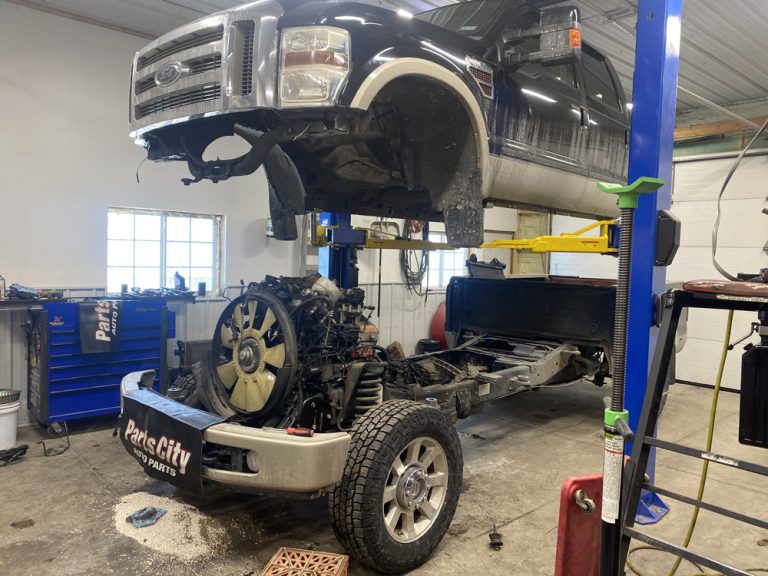
As an authorized JASPER® installer, this is the route we recommend most often for engine replacement. JASPER states that its units are remanufactured to meet or exceed OEM standards, with every unit tested and inspected, and it advertises a nationwide, transferable parts and labor warranty of up to 3 years or 100,000 miles. Coverage varies by product, so we always confirm the exact terms for your specific engine before you commit.
7 questions to ask before you approve an engine job
- What exactly failed, and how do you know? A diagnosis should point to a cause, not just a symptom.
- Is the rest of the truck worth the investment? Look at frame, transmission and body condition before putting a new engine in a tired truck.
- What does the warranty cover? Parts only, or parts and labor? Who honors it if you are traveling?
- Is the warranty transferable? That matters if you plan to sell the truck.
- What else should be replaced at the same time? Cooling system parts, hoses and filters are easier to do while the engine is out.
- What caused the original failure, and has it been fixed? A new engine will not survive the same overheating or fuel problem that killed the old one.
- How long will the truck be down? Get a realistic timeline, including parts lead time.
Don’t skip the “why” behind the failure
The most expensive mistake is replacing an engine without fixing what destroyed it. Overheating, contaminated fuel, a failed oil cooler or a clogged air filter can take out a brand-new engine just as fast as the old one. A good shop treats the replacement as a repair of the whole system, not a swap. If you are unsure what went wrong, start with real vehicle diagnostics before you choose a path.
Frequently asked questions
Is a remanufactured engine as good as new?
A quality remanufactured engine is built to original specifications with new or requalified parts and is tested before shipping. Many owners treat it like a new engine for maintenance and expectations. The warranty is the best indicator of how confident the builder is.
Is “rebuilt” the same as “remanufactured”?
No. Under FTC guidance, both terms describe engines that were taken apart and restored, but “remanufactured” refers to work done in a factory that is generally in the business of rebuilding that product. In practice, remanufacturing follows a standardized production process, while rebuild quality varies by builder.
How long does a diesel engine replacement take?
It depends on the truck, parts availability and what else needs attention. A remanufactured unit usually shortens downtime because the engine arrives ready to install, while a rebuild has to wait on teardown, machine work and parts.
Should I buy a used diesel engine to save money?
It can work on an older truck with limited value, but you are buying an unknown history with a short warranty. When you add installation labor, the savings can disappear if the used engine fails early.
Facing an engine replacement in St. Croix County?
Midwest Diesel & Automotive in Hammond, WI handles Power Stroke, Cummins and Duramax engine repair and JASPER® engine replacement. We’ll explain what failed, lay out repair and replacement options side by side, and give you straight numbers. Call (715) 500-1840 or request service online.