

DPF Regeneration Explained: How It Works, Why It Fails and 5 Ways to Prevent Clogs
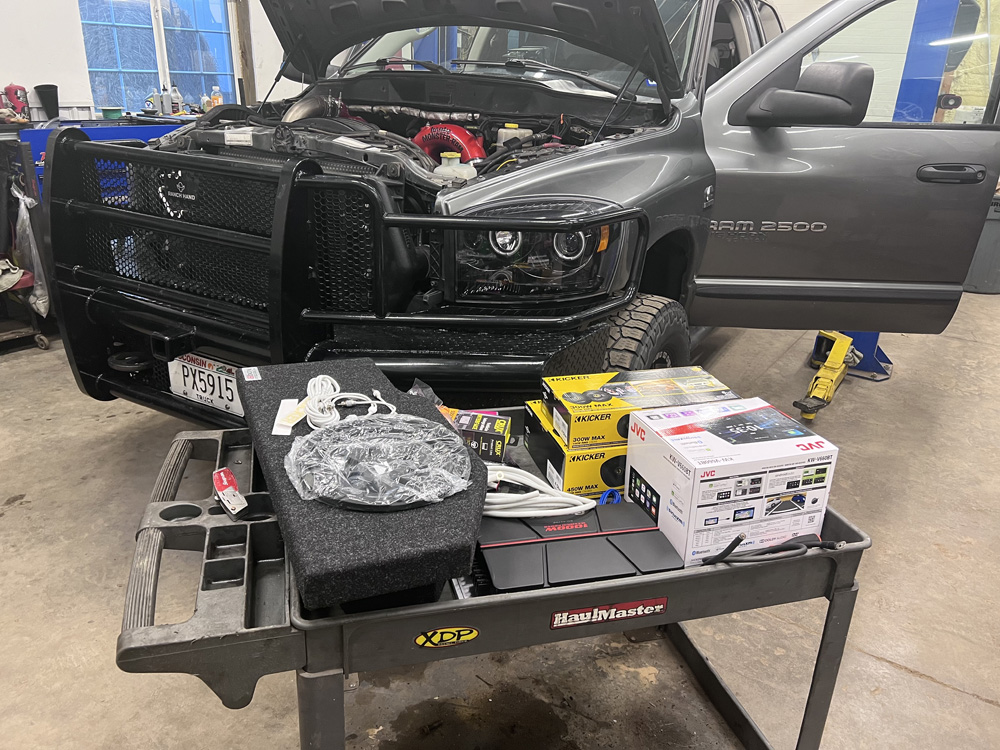
If you own a 2007 or newer diesel pickup, you own a diesel particulate filter. Most of the time it does its job quietly. Then one day the dash lights up, the cooling fan won’t shut off, fuel mileage drops and the truck feels flat. Almost every one of those situations traces back to DPF regeneration: how it works, why it stops working, and what owners accidentally do to make it worse.
This is a plain-English guide to DPF regeneration on Ford Power Stroke, Ram Cummins and GM Duramax trucks, written so you can recognize a problem early and avoid the expensive version of it.
Key takeaways
- The DPF traps soot, and regeneration burns it off. Ash doesn’t burn, so it still builds up slowly over time.
- Short trips and long idling are the most common reasons regeneration can’t finish.
- Frequent regens are usually a symptom of another problem, such as injectors, EGR, boost leaks or a bad sensor.
- Removing a DPF is still illegal under the federal Clean Air Act, even after the 2026 change in criminal enforcement.
What a DPF does
A diesel particulate filter is a ceramic honeycomb in the exhaust. Exhaust gas passes through its porous walls and the soot gets trapped. That is why a healthy modern diesel doesn’t blow black smoke. The catch is that a filter eventually fills up, and a full filter chokes the engine. Regeneration is how the truck cleans it out while you drive.
How DPF regeneration works
Passive regeneration
When you drive at steady highway speed or tow, exhaust temperatures stay high enough for soot to oxidize slowly on its own. Technical reference DieselNet explains that this nitrogen dioxide based process works at lower temperatures than burning soot with oxygen, so it can happen continuously during normal operation. You won’t notice it, and that is the point.
Active regeneration
When passive regen can’t keep up, the engine computer steps in. It changes fuel injection to push exhaust temperatures much higher. DieselNet puts complete, rapid soot oxidation with oxygen at roughly 600°C, and notes that at 360 to 400°C the process is very slow and incomplete. That is why an active regen needs time at temperature to finish. During one you may notice a higher idle, the cooling fan running, a hot smell or a dash message.
Parked or forced regeneration
If soot loading climbs too high, some trucks ask you to run a parked regen, or a shop can command one with a scan tool. It is a useful tool, but if a truck needs forced regens over and over, something upstream is wrong.
Signs your DPF is struggling
- Regeneration messages that come back every few days or more often
- A noticeable drop in fuel mileage
- Loss of power, or the truck going into reduced power mode
- A DPF or exhaust warning light, or codes for high soot load or differential pressure
- The cooling fan running hard or a hot smell after short drives
Why DPFs clog: the usual suspects
| Cause | What happens | What fixes it |
|---|---|---|
| Short trips and long idling | Exhaust never gets hot long enough to finish a regen | Regular highway drives, not interrupting active regens |
| Injector problems | Extra fuel and soot load the filter faster than it can clean | Injector testing and repair |
| EGR valve or cooler issues | Poor combustion adds soot; a leaking cooler can add coolant contamination | EGR diagnosis and repair |
| Boost leaks or turbo trouble | Less air means a richer, sootier burn | Boost and turbo testing |
| Bad differential pressure sensor | The computer misreads soot load and regens too often or too late | Sensor and hose testing |
| Ash build-up | Ash from oil additives does not burn off and slowly fills the filter | Professional cleaning or replacement at high mileage |
Notice how many of those causes have nothing to do with the filter itself. Replacing a DPF without fixing an injector or EGR problem just means the new one clogs too. That is why we start with full diagnostics rather than parts.
5 ways to prevent DPF problems
- Give it a highway run. If your truck mostly does short hops around town, a 20 to 30 minute drive at steady highway speed every week or two helps passive regeneration keep up.
- Let active regens finish. If you see a regen in progress, try to keep driving rather than shutting the truck off in the driveway.
- Use the right oil. Run the low-ash oil spec your owner’s manual calls for, such as API CK-4 or GM dexosD, and keep up with changes. High-ash oil speeds up ash build-up.
- Don’t ignore small symptoms. Rough running, smoke or a check-engine light can mean extra soot is headed for the filter.
- Keep fuel clean. Fresh filters and good fuel protect the injectors that keep combustion clean. Some owners add a FASS fuel system for extra filtration.
What about a DPF delete?
You will hear people say deletes are legal now. That is not accurate. The federal Clean Air Act tampering provisions prohibit any person from removing or disabling emissions equipment, and from selling or installing parts whose main effect is to defeat it. EPA’s enforcement policy names DPF removal, blocked EGR systems and delete tuners as examples.
What changed is enforcement. In January 2026 the Department of Justice said it would stop pursuing criminal charges for diesel tampering, but as the National Agricultural Law Center notes, it did not take civil penalties off the table, and the law itself did not change. EPA also clarified that technicians may temporarily override emissions monitoring to complete a repair, as long as the system is restored when the repair is done.
EPA has estimated that controls on more than 500,000 diesel pickups have been removed, and says a full delete on a modern heavy-duty pickup can put out as much harmful pollution as 300 trucks with working controls, according to its tampering and defeat device page. Beyond the legal risk, a delete can void warranties, complicate resale and leave you stuck if you move to a state with stricter rules.
For Wisconsin drivers, the state emissions test only applies in seven southeastern counties, and St. Croix County is not one of them. That does not make tampering legal here. Federal law applies everywhere.
There is real relief on the way for one common headache. In March 2026 EPA issued new guidance on DEF quality sensors aimed at the sudden derates many owners have dealt with, while keeping emissions standards in place. Ask your shop whether an approved software update applies to your truck.
Frequently asked questions
How often should DPF regeneration happen?
It varies with the truck, how it is driven and how much soot the engine makes. Highway and towing use lets passive regeneration do most of the work, while short trips trigger active regens more often. If regens suddenly become much more frequent than normal for your truck, have it checked.
Is it bad to shut the truck off during a regen?
Once in a while is not a disaster, but doing it repeatedly lets soot keep building and can lead to a forced regen or a clogged filter. When you can, keep driving until it finishes.
Can a clogged DPF be cleaned?
Often, yes. A filter loaded with ash can be professionally cleaned or replaced. The key is fixing whatever caused excess soot first, or the problem returns.
Is deleting a DPF legal in Wisconsin?
No. Removing or disabling emissions equipment violates the federal Clean Air Act everywhere in the U.S. In 2026 the Justice Department stopped pursuing criminal charges, but civil penalties remain possible and the law did not change.
Regen light on again?
Midwest Diesel & Automotive in Hammond, WI diagnoses DPF, EGR and emissions problems on Power Stroke, Cummins and Duramax trucks, and we fix the cause instead of just clearing the code. Call (715) 500-1840 or request service online.