

Steel Titan: Why the 5.9L Cummins Power Wagon Is the American Truck They Can’t Build Today
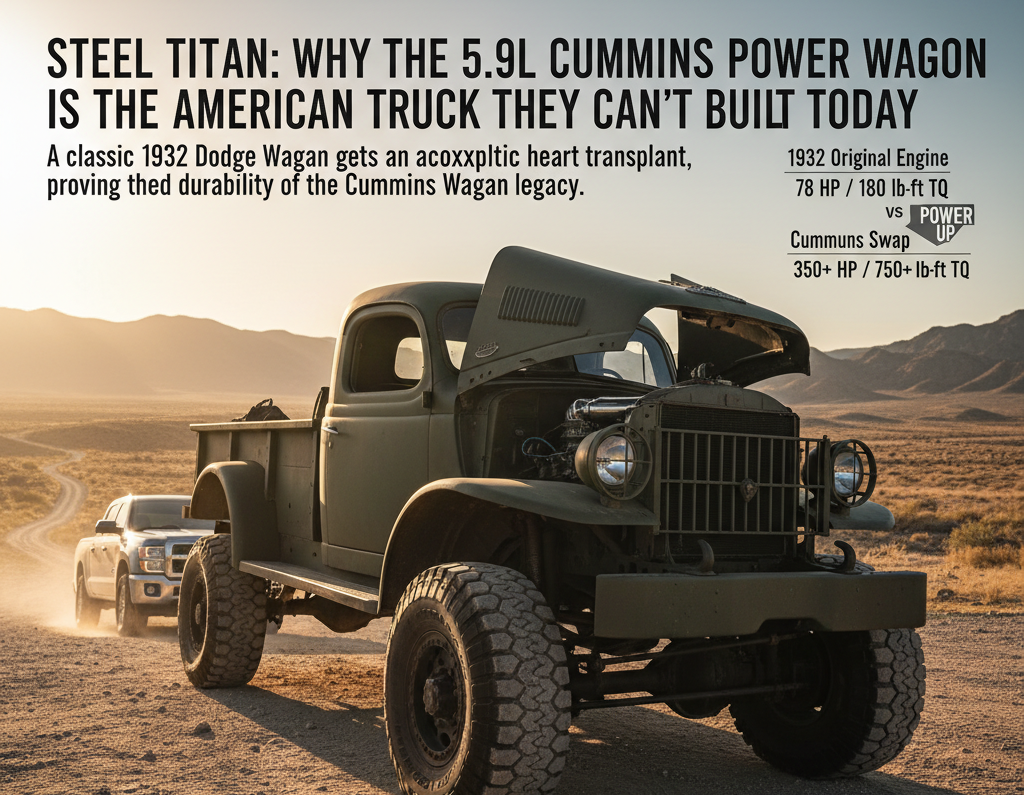
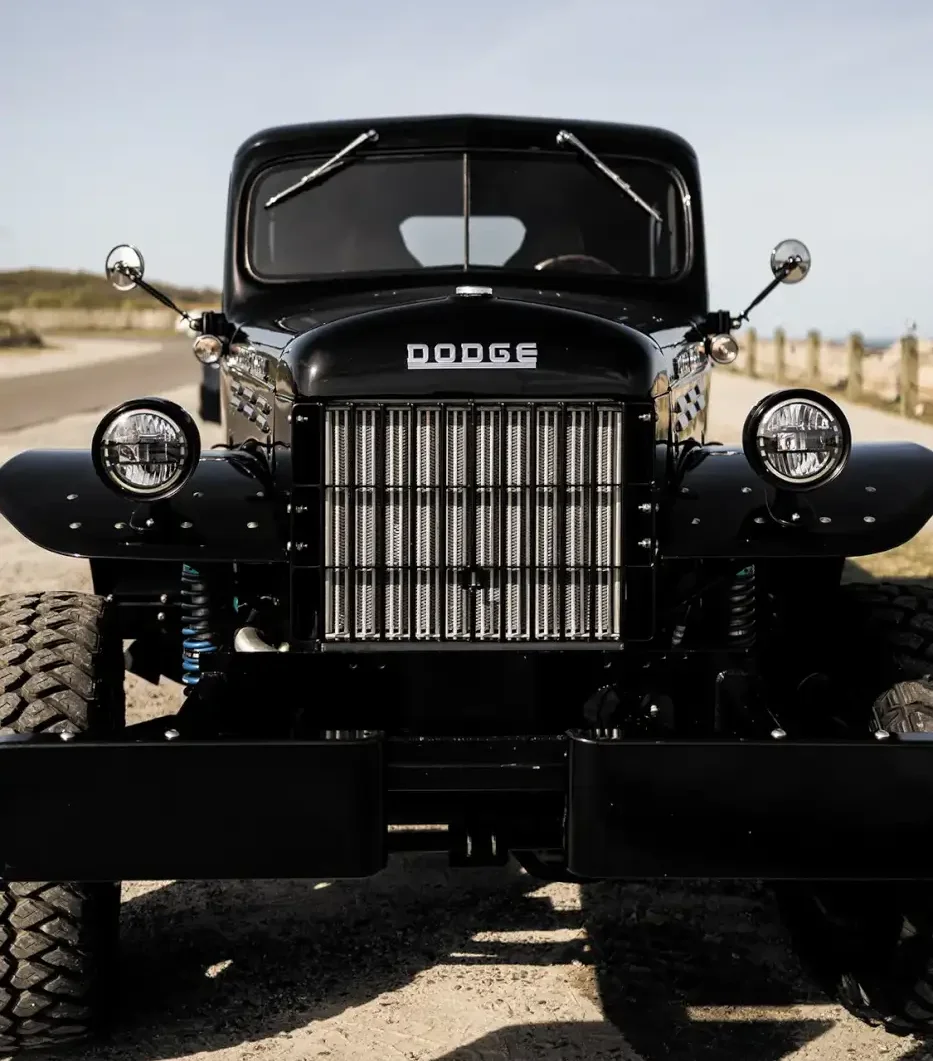
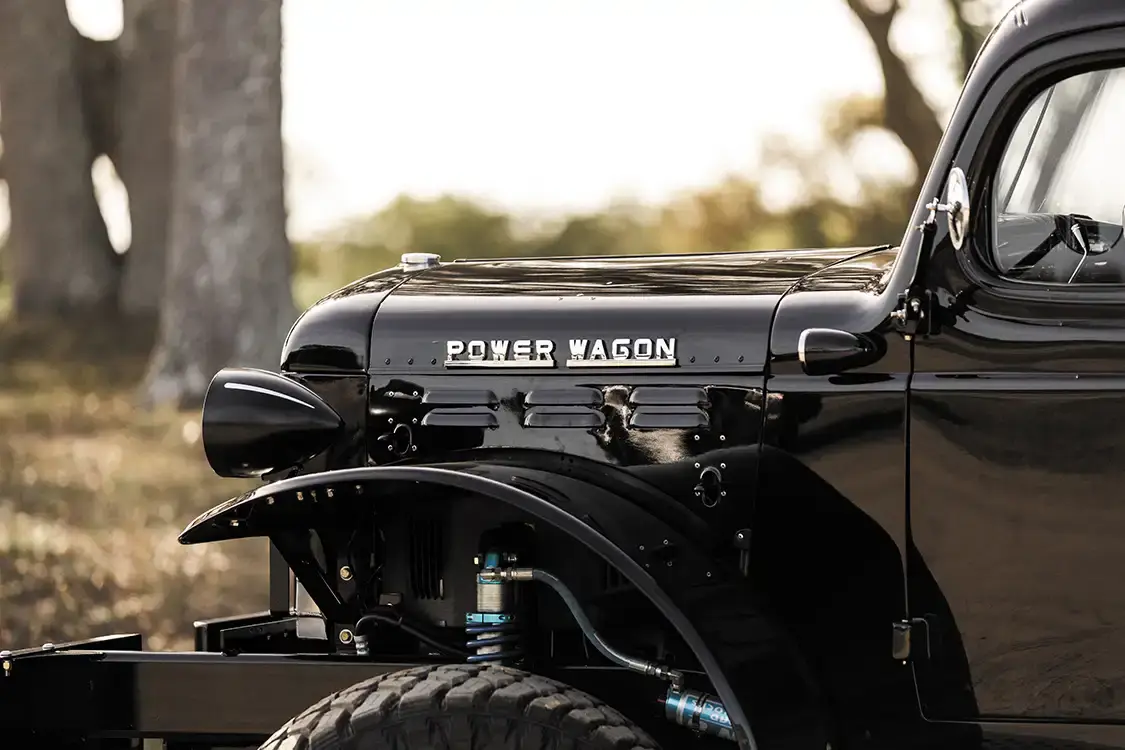
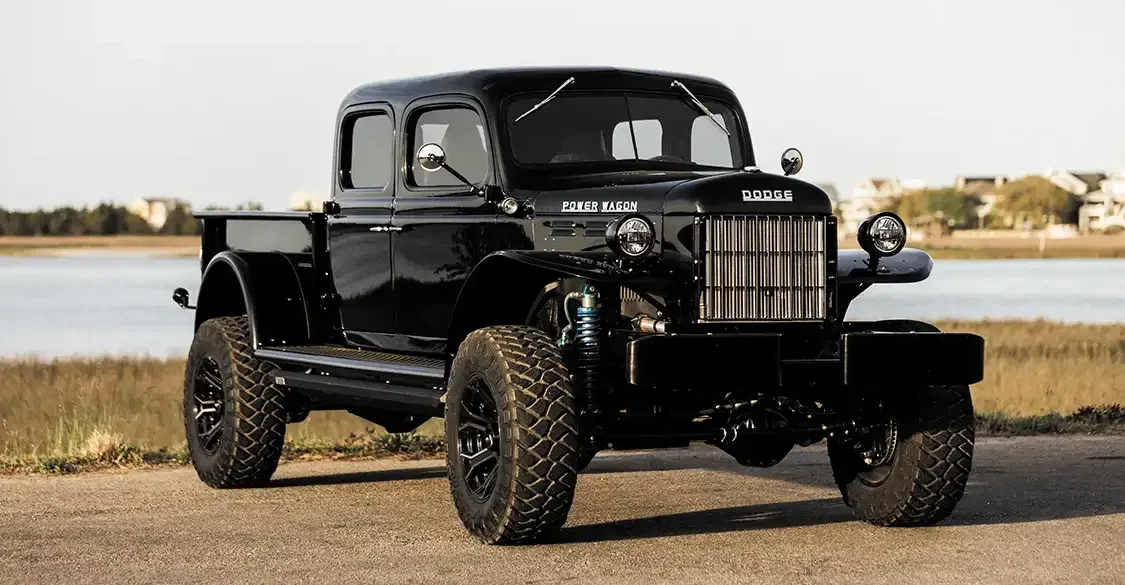
In a world of plastic-clad, computer-controlled compromises, one vehicle stands as a defiant steel monument to American power: the 5.9L Cummins Power Wagon. It’s more than a truck; it’s a rugged philosophy on four wheels. This 1952 Dodge isn’t just restored—it’s reborn, packing the legendary, unkillable heart of the best diesel ever built.
Context/Background
The Dodge Power Wagon, born from the military’s robust WC-Series trucks of World War II, is the granddaddy of all heavy-duty pickups. When it hit the civilian market in the late 1940s, it set the standard for utility and off-road capability that remains unmatched by many modern rigs. It was pure, unadulterated American American Iron.
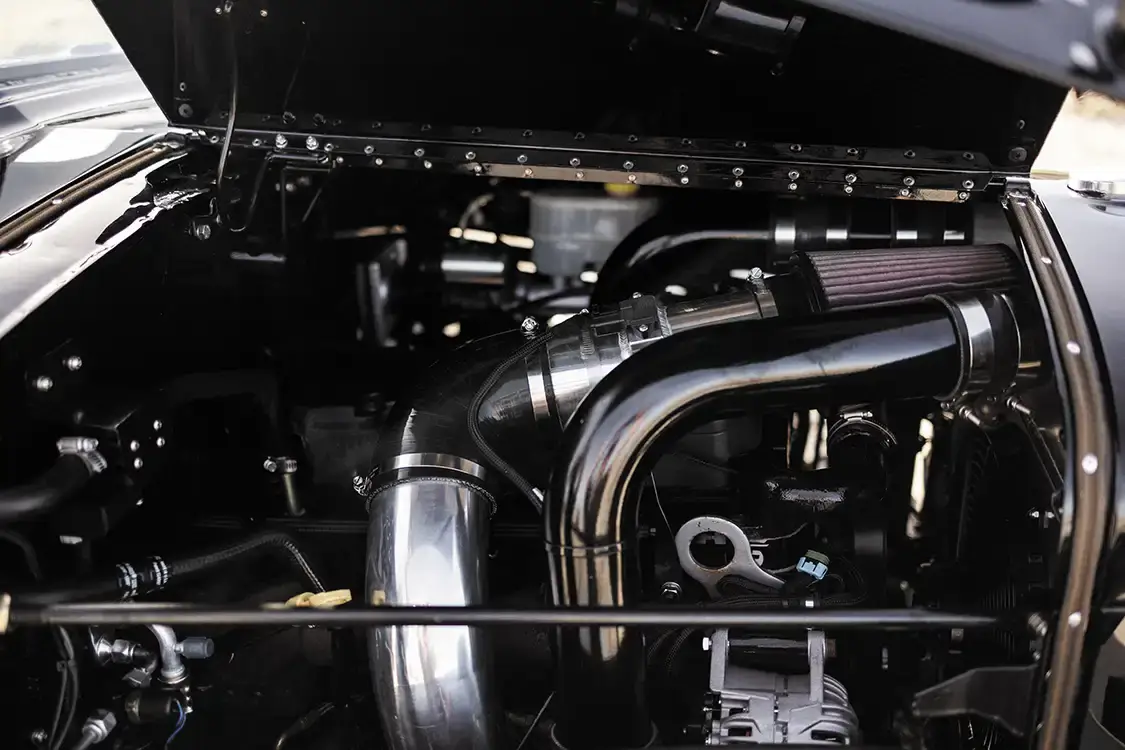
Yet, its original flathead six-cylinder engine, while reliable, was a relic of a bygone era. Today’s demands—towing, highway speed, and sheer torque—require something more formidable. Enter the Cummins B-Series engine. Known to gearheads as the 12-valve or 24-valve 5.9-liter workhorse, this block is famed for its straightforward engineering, massive power potential, and legendary longevity—a perfect ideological and mechanical fit for the vintage Dodge chassis.
The fusion of these two titans, vintage grit and diesel supremacy, creates a vehicle that bypasses the complexities and perceived fragility of today’s pickups. This isn’t mass-produced marketing; it’s hand-built superiority.
Why the 5.9L Cummins Power Wagon Defined a Generation
The original Power Wagon was the machine that literally built the post-war American landscape. It was simple to fix, tough to break, and utterly relentless. The addition of the 5.9L Cummins Power Wagon setup simply amplifies those core characteristics. The 5.9L engine is revered because it represents a time when engines were designed to be repaired, not replaced, making it an ideal choice for a truck intended to last forever.
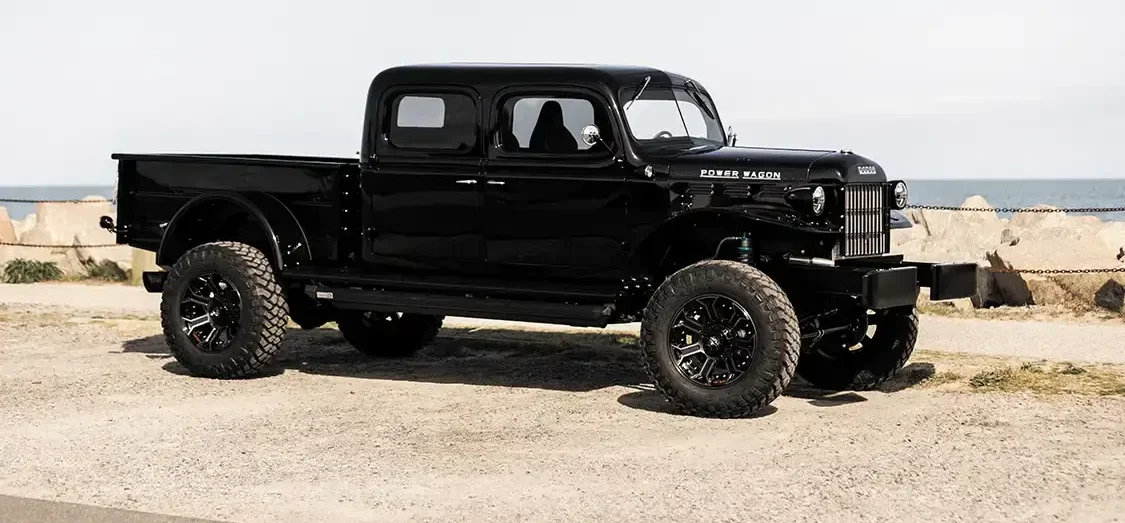
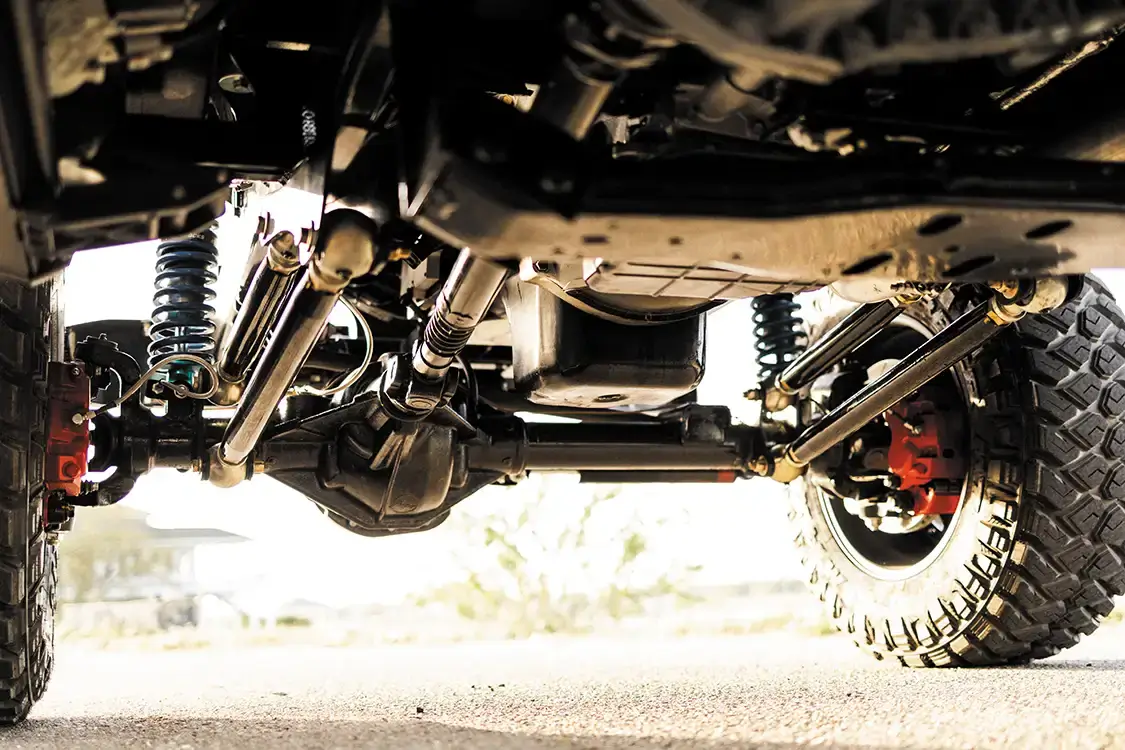
Custom shops, like the hypothetical “American Iron Customs,” frequently utilize the 5.9L block because of its compact dimensions (relative to larger modern diesels) and its unparalleled ability to handle extreme modifications. This particular 1952 rig likely sits on a modernized chassis—perhaps a modified Ram 2500 frame—to handle the torque, but the sheet metal remains a powerful throwback. This ensures the truck retains its classic look while gaining the stopping power and handling needed for modern roads.
The Unkillable Diesel: Specs that Crush Competition
The magic of the 5.9L lies in its torque-to-weight ratio and simplicity. The 12-valve version (often preferred for its simple mechanical injection) is famously capable of handling over 600 horsepower with relatively minor modifications.
- Original Power: The stock 1952 Power Wagon offered less than 100 horsepower.
- Cummins Power: This swapped unit easily produces 350+ horsepower and over 750 lb-ft of ground-pounding torque in a mild tune.
- The Key Difference: The Cummins delivers peak torque at ridiculously low RPMs, allowing the heavy, vintage military truck to crawl over obstacles or effortlessly haul heavy loads—just as the original design intended, but with exponentially more capability.
Expert Insights
The appeal is not just mechanical; it’s cultural.
Mike Davies, a long-time diesel mechanic and conservative commentator specializing in American manufacturing, explains the build’s symbolic value. “This truck is a two-finger salute to mandated obsolescence,” Davies stated. “We have sacrificed real reliability for software updates and complex emissions controls. The old 5.9L is a brick of pure engineering genius. It’s about personal freedom—the freedom to fix your own truck, to go where you want, and to own a piece of iron that doesn’t talk back to a central computer.”
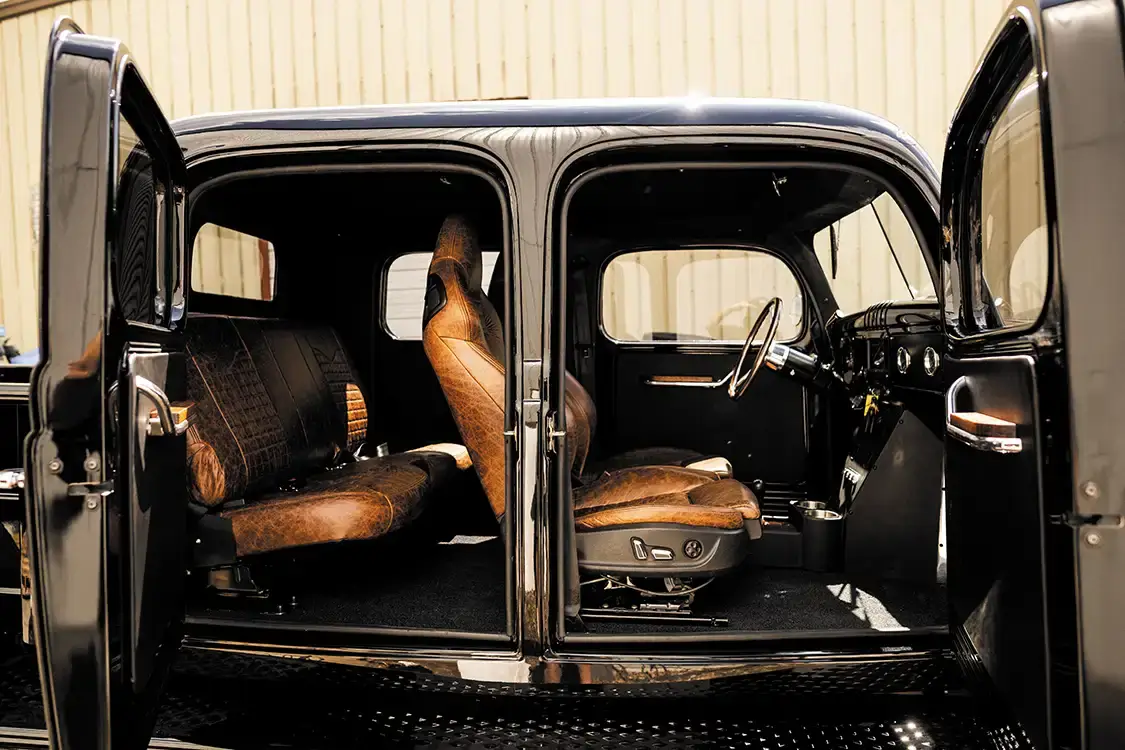
Another voice, custom vehicle fabricator Sarah Jensen, notes the meticulous skill involved. “The challenge of dropping a massive, heavy-duty engine into a 70-year-old body shell is immense,” Jensen said. “It requires custom engine mounts, a fully upgraded drivetrain, and often, a firewall modification. It’s a true craftsman’s effort. When you see a 5.9L Cummins Power Wagon done right, you’re looking at thousands of hours of skilled labor, not assembly line robots.”
Human Interest
Imagine the first drive. You turn the key, the legendary diesel clatter erupts—a sound that announces capability, not compliance. The experience of piloting this Titan is primal. It is tall, commanding, and heavy, making every driver feel like the master of their domain.
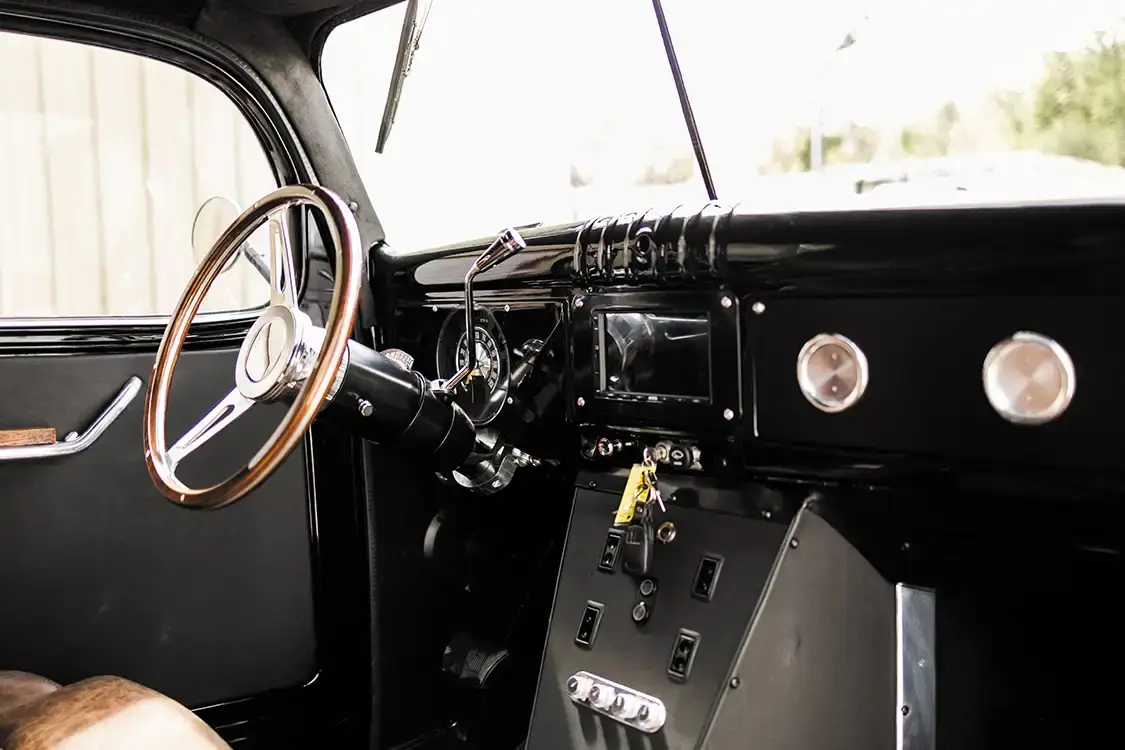
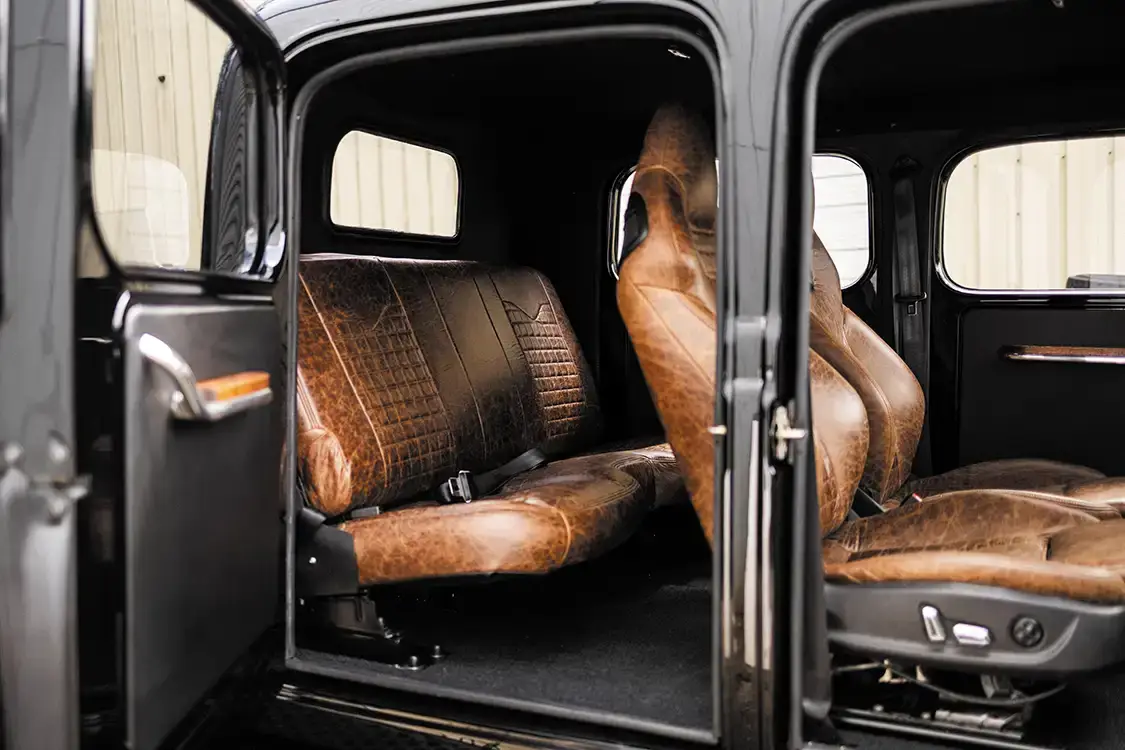
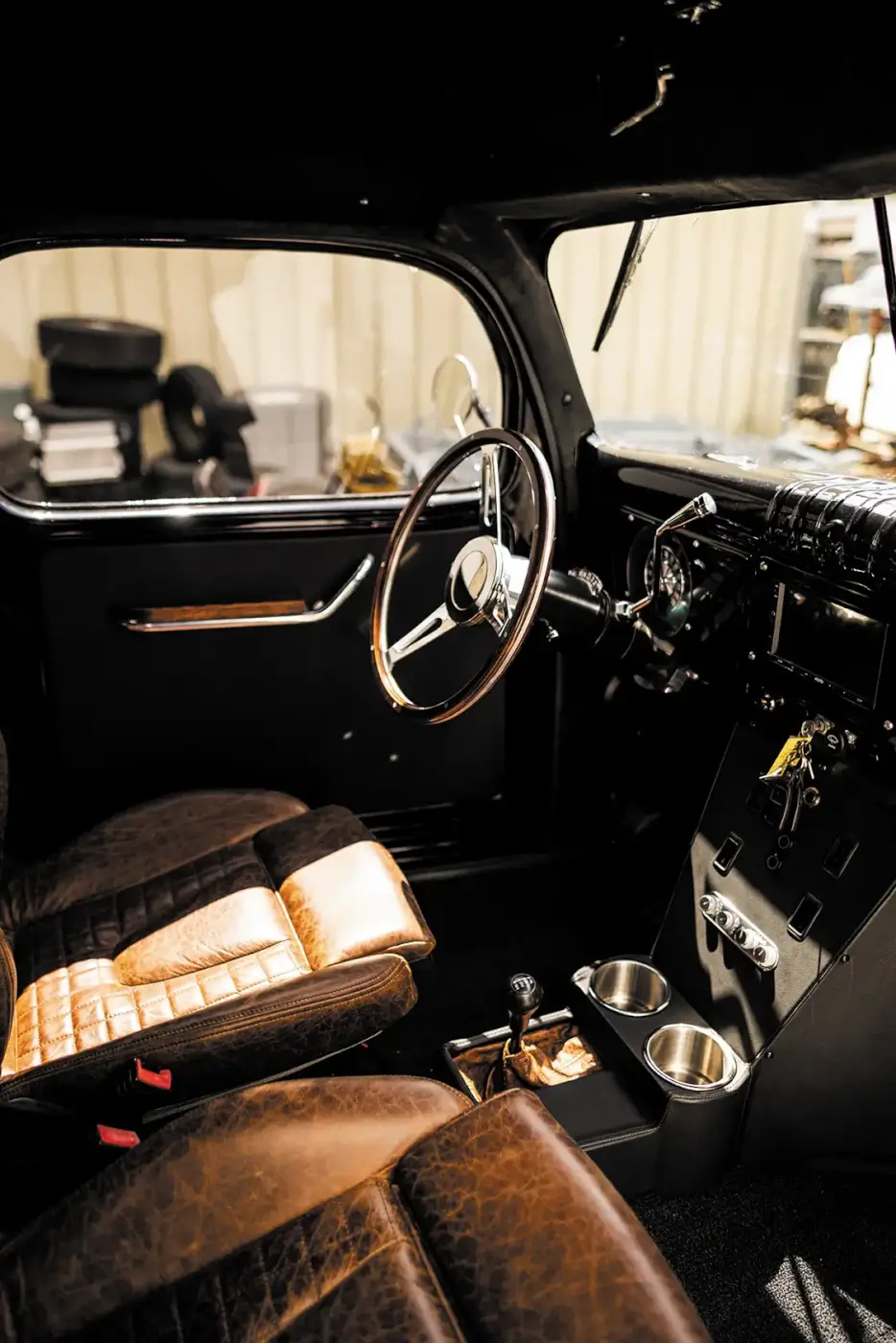
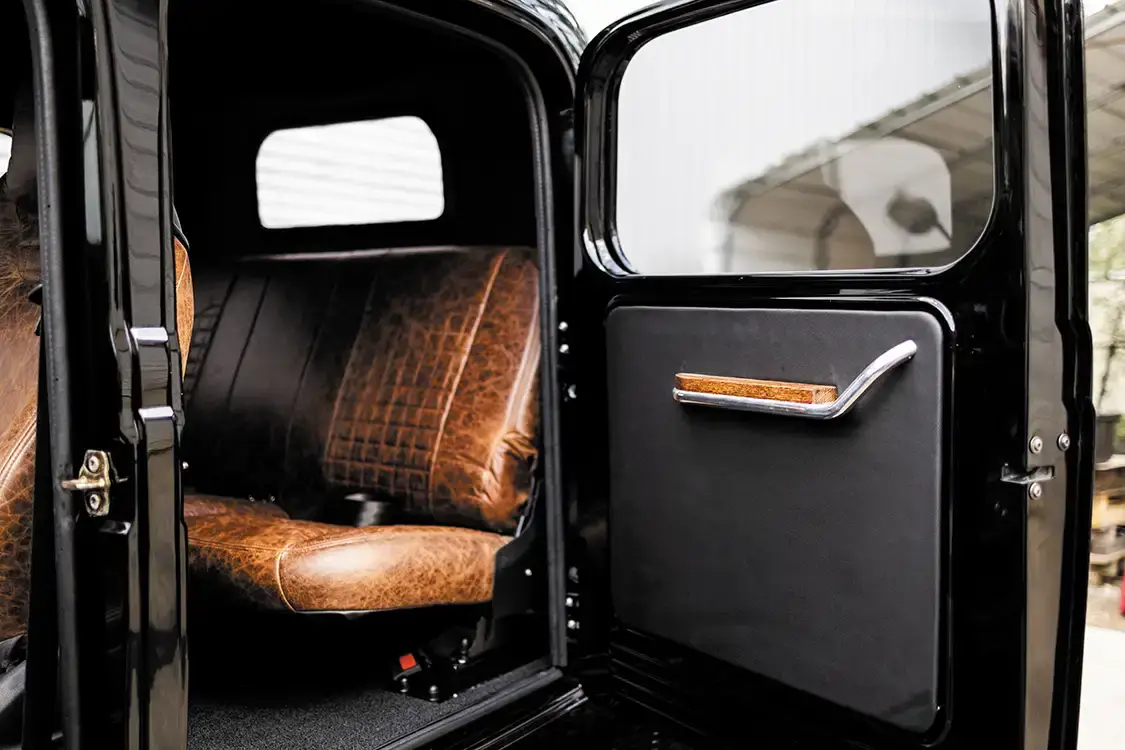
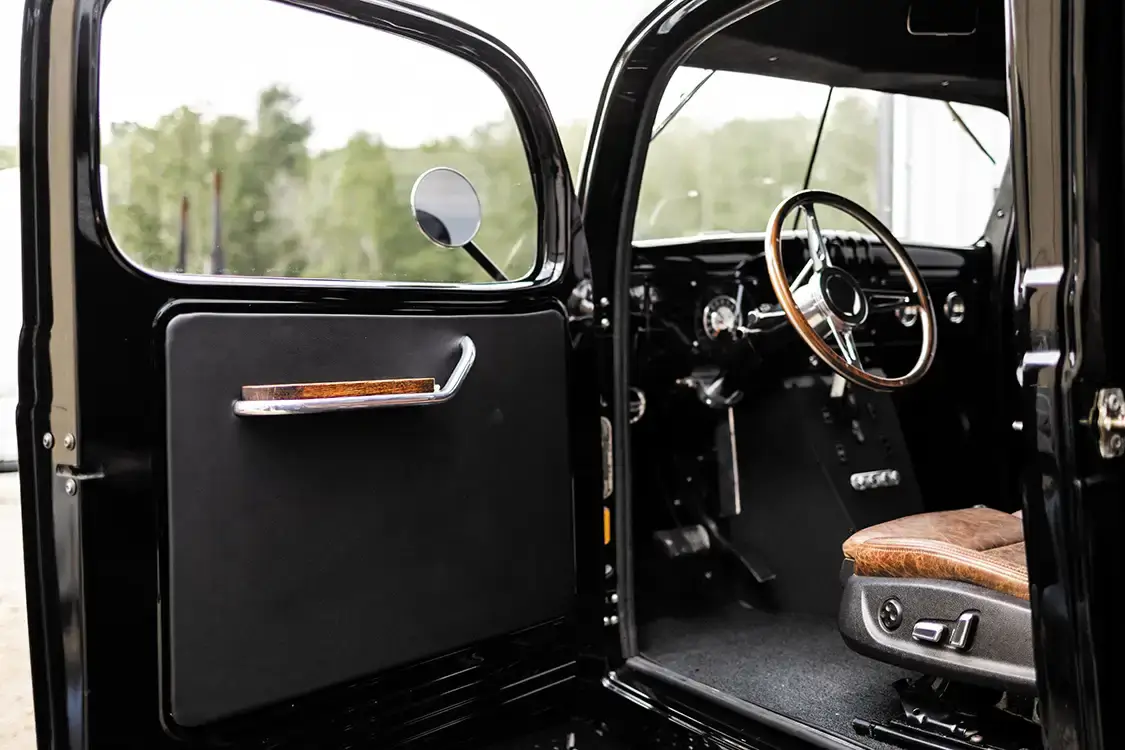
The original Power Wagons were the first light-duty civilian 4×4 trucks, prized by farmers, oil workers, and forestry services. They were tools of hard work. This restomod honors that heritage by making it a tool of ultimate work and leisure. The truck is frequently finished in a rugged, matte military green or deep gloss black, perfectly reflecting the owner’s likely appreciation for no-nonsense presentation and underlying strength. It’s a vehicle that says, “I fix things, I build things, and I don’t need permission to be powerful.”
Balanced Perspective
Critics of these massive restomods often point to the environmental footprint and the sheer impracticality of a vehicle this large and heavy as a daily driver. They argue that modern trucks are safer, more efficient, and offer significantly more cabin comfort and technology.
While these points hold some truth—a 2025 Ram Heavy Duty certainly boasts superior safety ratings—the custom builder’s response is simple: This is a matter of priority. The purpose of the 5.9L Cummins Power Wagon is not hyper-efficiency or a soft ride; it is enduring reliability, raw power, and an aesthetic connection to American history. It is a niche vehicle for those who prioritize timeless design and mechanical integrity above all else.
The 1952 Dodge with a 5.9L Cummins Power Wagon swap is a masterpiece of custom engineering and a cultural statement. It stands as proof that the best engineering principles—simplicity, strength, and durability—are timeless. For the Stucci Media reader, this truck isn’t just a fantasy; it’s a tangible representation of American exceptionalism and the enduring value of building things to last.
FAQ
Q: What makes the 5.9L Cummins engine so popular for a classic truck restoration diesel swap? A: The 5.9L Cummins is famous for its simple design, especially the mechanical 12-valve version, which lacks the complex electronics of newer engines. This makes it incredibly durable, highly tunable for massive power, and easy to service, which is ideal for a classic truck restoration diesel.
Q: Is the 1952 Dodge Power Wagon considered a vintage military truck restoration? A: Yes. The civilian 1952 Dodge Power Wagon is based directly on the rugged military WC-Series trucks used in WWII. Restoring these trucks often involves maintaining the tough, military-inspired aesthetic and capability.
Q: How much does a successful 5.9L Cummins Power Wagon conversion typically cost? A: Due to the extensive custom fabrication required (chassis reinforcement, drivetrain upgrades, body modifications), a professional, high-quality 5.9L Cummins Power Wagon restomod can easily exceed $150,000, and often significantly more, depending on the level of luxury and component quality.
Q: Are these American muscle trucks street legal? A: Generally, yes, provided the conversion meets all state and local safety and emissions standards (which vary greatly). Because the 5.9L Cummins is an older engine, it can sometimes be easier to register than a modern diesel, making these powerful American muscle trucks viable for road use.
Copyright © Midwest Diesel and Auto 2025 | All Rights Reserved