

Diesel Tech Drought Threatens America’s Supply Chain as Trucking Industry Scrambles for Solutions
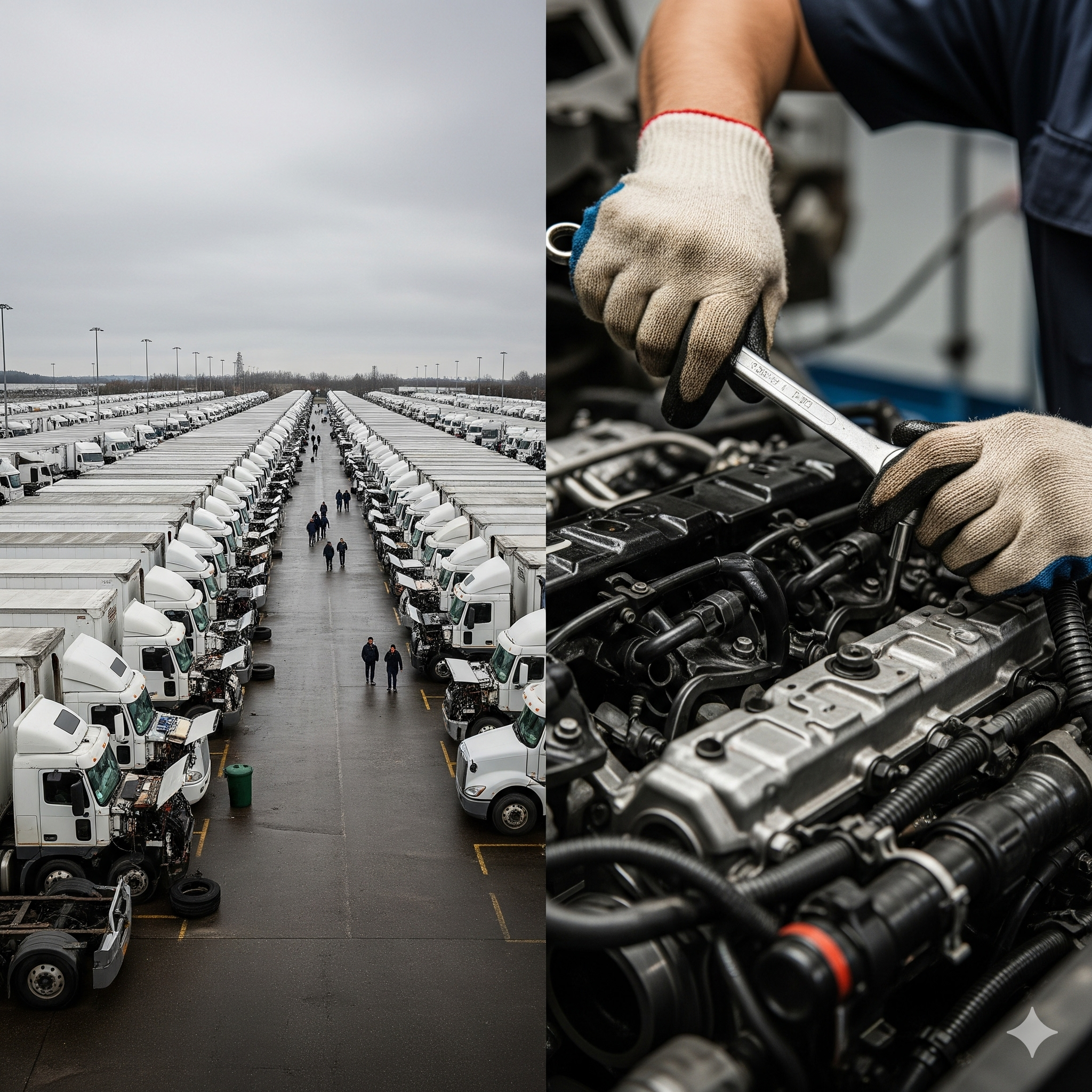
America’s trucking fleet is breaking down, and there aren’t enough hands to fix it. The diesel technician shortage has quietly morphed into a full-blown crisis threatening the nation’s supply chain, with nearly one in five positions sitting empty as trucks pile up in repair yards across the country.
Sounding The Alarm
The American Transportation Research Institute (ATRI) has sounded the alarm in a comprehensive new report detailing how the shortage is worsening rapidly. While the number of truck drivers surged by 30% between 2014 and 2024, diesel technician numbers crawled up just 23% during the same period.
This widening gap has created a perfect storm for the trucking industry, which employs one-fifth of the nation’s 286,500 diesel technicians. In 2013, there were 6.8 truck drivers for every diesel tech. By 2024, that ratio had ballooned to 7.2 drivers per tech – meaning more trucks are competing for fewer maintenance slots.
The crisis is particularly acute in transportation hubs like Dallas, Chicago, and Atlanta, where repair shops are turning away vehicles or scheduling maintenance weeks in advance.
The Crisis by the Numbers
The statistics paint a troubling picture: 65.5% of diesel repair shops were understaffed in 2025, with an average vacancy rate of 19.3%. This translates to thousands of trucks sidelined for longer periods, driving up costs and delaying deliveries across America’s supply chain.
“We’re seeing trucks sitting for days or even weeks waiting for basic repairs,” said Thomas Reynolds, fleet manager at Interstate Transport Services. “Parts that used to take a day to fix now take a week because shops just don’t have the manpower.”
This maintenance backlog is creating a cascade of problems – from increased rental fleet costs to missed delivery deadlines and frustrated customers.
Financial Barriers Driving Away New Talent
For aspiring diesel technicians, the road to a career is paved with financial obstacles. According to ATRI’s research, the most significant barrier facing new technicians is the upfront cost of purchasing tools – a requirement that can run into tens of thousands of dollars.
Entry-level technicians also cite soft starting pay as a major deterrent. While experienced diesel techs can earn competitive salaries in the 70,000−90,000 range, newcomers often start much lower while shouldering substantial student debt from technical training programs.
“I’ve got $15,000 in student loans and spent another $8,000 on basic tools,” said Marcus Henderson, a second-year diesel technician in Omaha. “It’s a huge investment before you make your first real paycheck.”
The Training Gap and Mentor Shortage
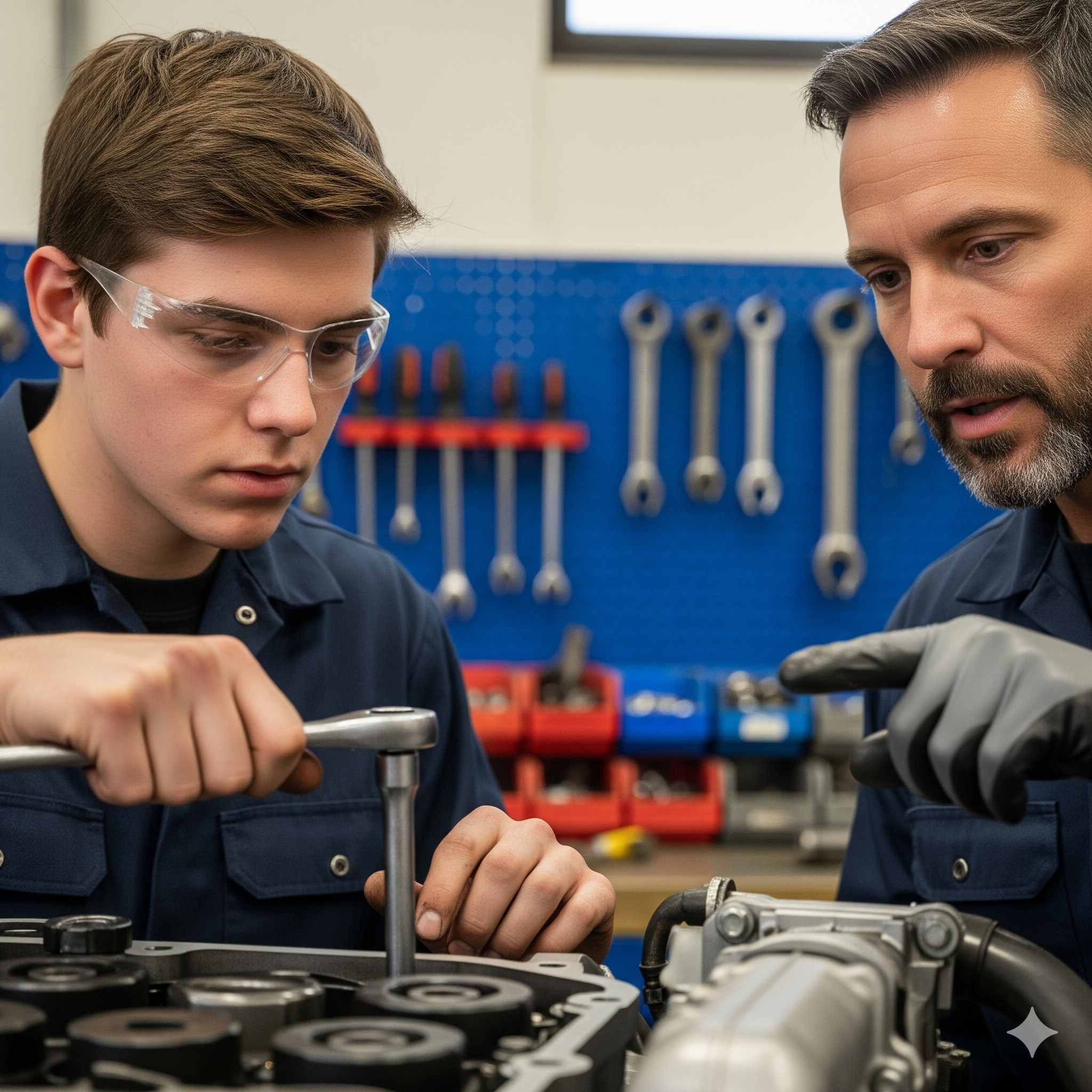
The ATRI report revealed another troubling statistic: nearly 61% of diesel technicians began their careers without any formal training. These technicians required an average of 357 training hours and $8,211 in trainee wages to reach basic proficiency.
This on-the-job learning approach is becoming increasingly impractical as vehicles incorporate more complex electronic systems and diagnostic tools. Modern diesel engines require technicians who understand both traditional mechanics and sophisticated computer systems.
“Today’s trucks are essentially computers on wheels,” explained Sarah Martinez, instructor at Western Technical College. “The days when someone could learn everything in a shop are over. You need formal education plus hands-on experience to handle these systems.”
Expert Insights
Robert Braswell, executive director of American Trucking Associations’ Technology & Maintenance Council, doesn’t mince words about the crisis: “With a lack of qualified techs and stiff competition from other industries, tech employment in the trucking industry is not keeping up with demand, especially when it comes to retaining entry-level technicians just entering the workforce.”
Industry veterans point to multiple factors driving the shortage. “We’re competing with automotive, construction, and manufacturing sectors for the same talent pool,” noted James Wilson, recruitment director at National Diesel Technician Academy. “Meanwhile, high schools have cut vocational programs, and parents push four-year degrees over trades. It’s created a perfect storm.”
Dan Murray, ATRI Senior Vice President and co-author of the report, emphasized the economic implications: “Every day a truck sits idle costs operators between 400−1,000. Multiply that across the industry, and we’re talking billions in economic impact annually. This isn’t just a trucking problem – it’s a consumer problem.”
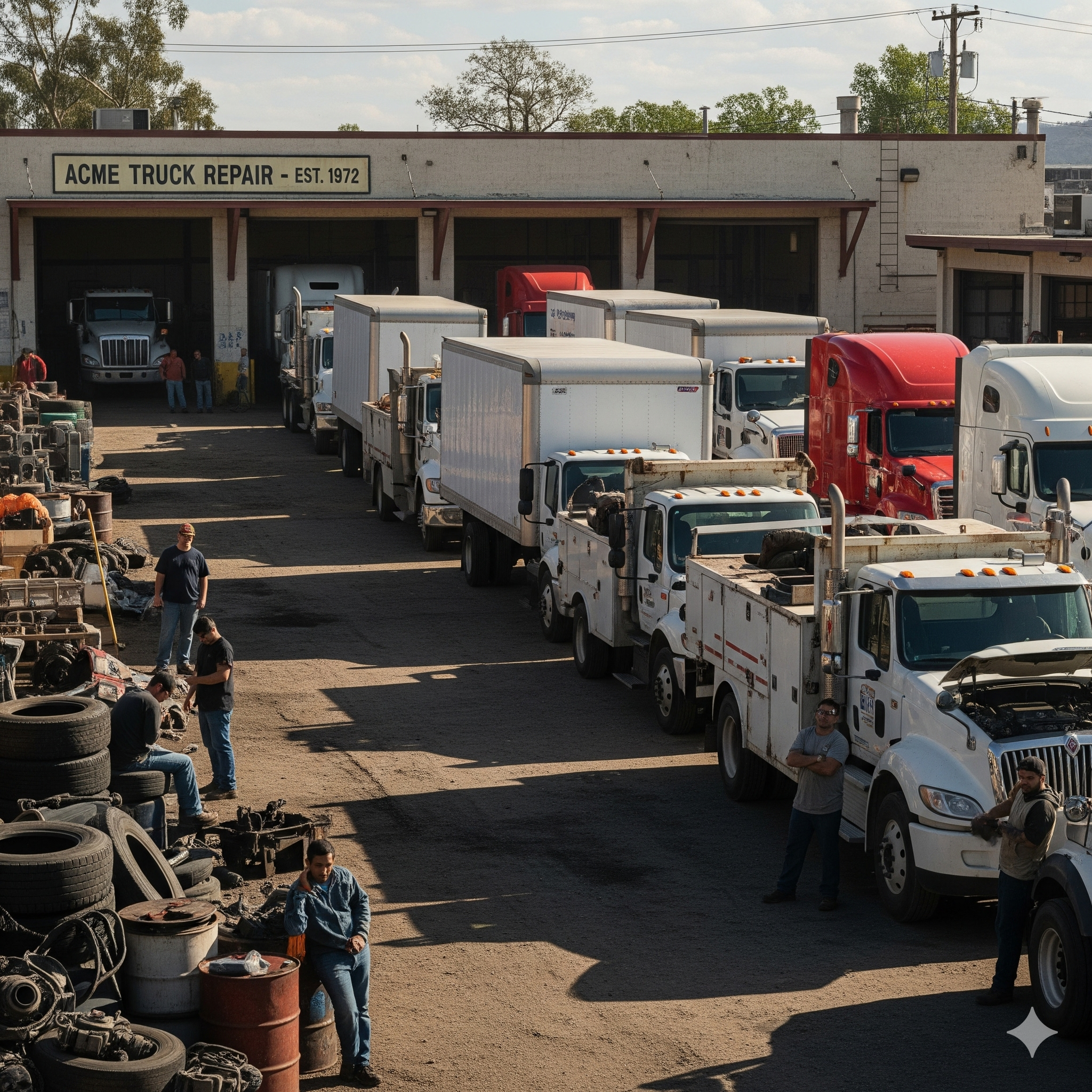
Mike Sanchez started turning wrenches at age 16 in his father’s garage. Now 54, he runs a six-bay diesel repair shop in Houston and can’t find enough qualified help to meet demand.
“I could hire five good techs tomorrow if I could find them,” Sanchez said. “I’ve got trucks backed up three weeks now. Customers are furious, but what can I do? I’ve raised wages 20% in three years and still can’t attract enough qualified people.”
For Jason Williams, a recent graduate of a 15-month diesel technology program, the investment is paying off despite the challenges. “Yeah, I’m still paying off my tool truck bill every month, but I’m already making more than my friends with four-year degrees,” he said. “There’s job security in this field – trucks aren’t going away, and somebody’s got to fix them.”
Not everyone sees doom and gloom in the current situation. Some industry observers point to technological advances that might reduce the number of technicians needed.
“Predictive maintenance systems and remote diagnostics are changing the game,” said Richard Thompson, technology analyst at Future Fleet Forum. “These technologies can identify problems before failures occur and streamline the repair process.”
Others note that market forces should eventually correct the imbalance. “As wages rise to attract talent, more people will enter the field,” explained Dr. Andrea Morris, economist at Georgetown University. “The challenge is whether this market correction will happen fast enough to prevent significant supply chain disruptions.”
As America’s trucks continue to age and the driver-to-technician ratio worsens, the diesel technician shortage represents a ticking time bomb for the nation’s supply chain. Without coordinated action from industry, education, and government, consumers could soon feel the impact through higher prices and delivery delays. The solutions – from apprenticeship programs to tool subsidies and improved compensation – are clear. The question remains whether they’ll be implemented before the shortage reaches a breaking point.
Diesel Repair Shortage Midwest: How Crisis Creates Golden Opportunity
FAQ Section
Q: How severe is the current diesel technician shortage?
A: The shortage has reached critical levels, with 65.5% of diesel repair shops reporting understaffing and 19.3% of positions unfilled nationwide. The ratio of truck drivers to technicians has increased from 6.8:1 in 2013 to 7.2:1 in 2024, indicating a widening gap.
Q: What are the main barriers preventing people from becoming diesel mechanics?
A: The primary obstacles include high upfront costs for tools (often 10,000−25,000), relatively low starting pay compared to the investment required, lack of mentoring in shops, and diminished vocational education options in high schools. Additionally, the increasing complexity of modern trucks requires more extensive training.
Q: How are truck maintenance backlogs affecting the supply chain?
A: Extended repair times are creating cascading problems throughout the trucking industry challenges, including increased downtime costs (400−1,000 per day per truck), delivery delays, higher freight rates, and ultimately higher consumer prices for goods transported by truck.
Q: What solutions are being proposed to address the skilled trade shortage in diesel technology?
A: The most promising approaches include partnerships between repair shops and technical schools, formal apprenticeship programs (which significantly reduce turnover), tool purchasing assistance programs, competitive compensation packages, and renewed emphasis on vocational education at the high school level.
Q: How much can diesel technicians earn once established in their careers?
A: While starting salaries often range from 40,000−50,000, experienced diesel technicians typically earn 70,000−90,000 annually, with some specialists and shop foremen earning well over $100,000. The career path offers substantial growth potential without requiring a four-year degree.
Article created by: Stucci Media